
Control Odors.
Welcome Customers with Confidence.
For pet shops, cat cafes and boarding spaces, treat waste-area and fabric odors by zone and include high-use points in daily cleaning.
Locate the Strongest Odor Areas First

High-use Waste AreasRecord litter areas and boarding enclosures separately. Note recurrence during changes, cleaning and peak handover times.
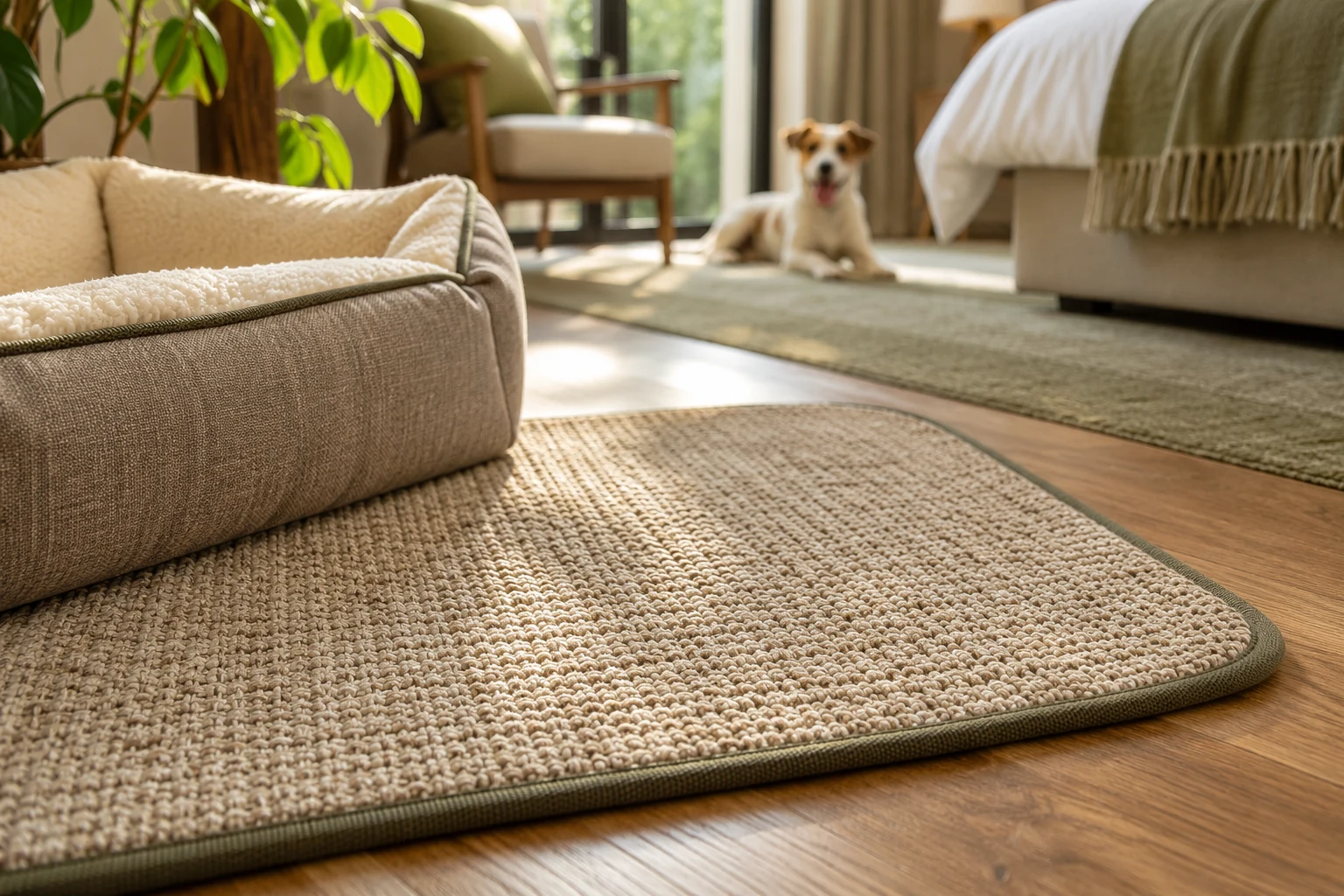
Fabrics & Upholstered SurfacesSeparate washable fabrics from fixtures that need treatment by zone.
Entrances & Boarding AreasFocus on first impressions and odor levels during customer handovers.
Follow the Cleaning Route to Manage Pet Facility Odors
Inspect Waste Odors, Fabrics & Dampness
Walk waste, boarding, washing and customer-entry areas. Record cage changes, handovers and peak footfall.
Inspect reused mats, upholstered surfaces and washing-area floors separately to identify the earliest or most frequent recurrence points.
Clean, Dry, Then Treat Odors
Remove contamination, wash or replace mats, clear standing water and ventilate until dry. Treat odor-retaining materials according to compatibility and product instructions.
Schedule treatment outside pet activity periods. Ventilate and inspect according to product requirements before returning the area to use.
Recheck the Same Route at Peak Handover
Inspect waste areas, fabrics and entrances after cleaning and again at the next peak handover. Record the differences.
At recurrence points, review cleaning frequency, fabric dryness and humidity. Add adjustments to the daily checklist.
Illustrative Scenario · Odors Return at Boarding Handover
Odors improve after morning cleaning but return in boarding and customer-entry areas during peak handover. Record waste points, washable mats and airflow separately, then schedule cleaning and drying outside peak periods.
Compare the same entrance and boarding route after cleaning and at peak handover. Adjust cleaning frequency or ventilation at recurring points.
More Services & Applications
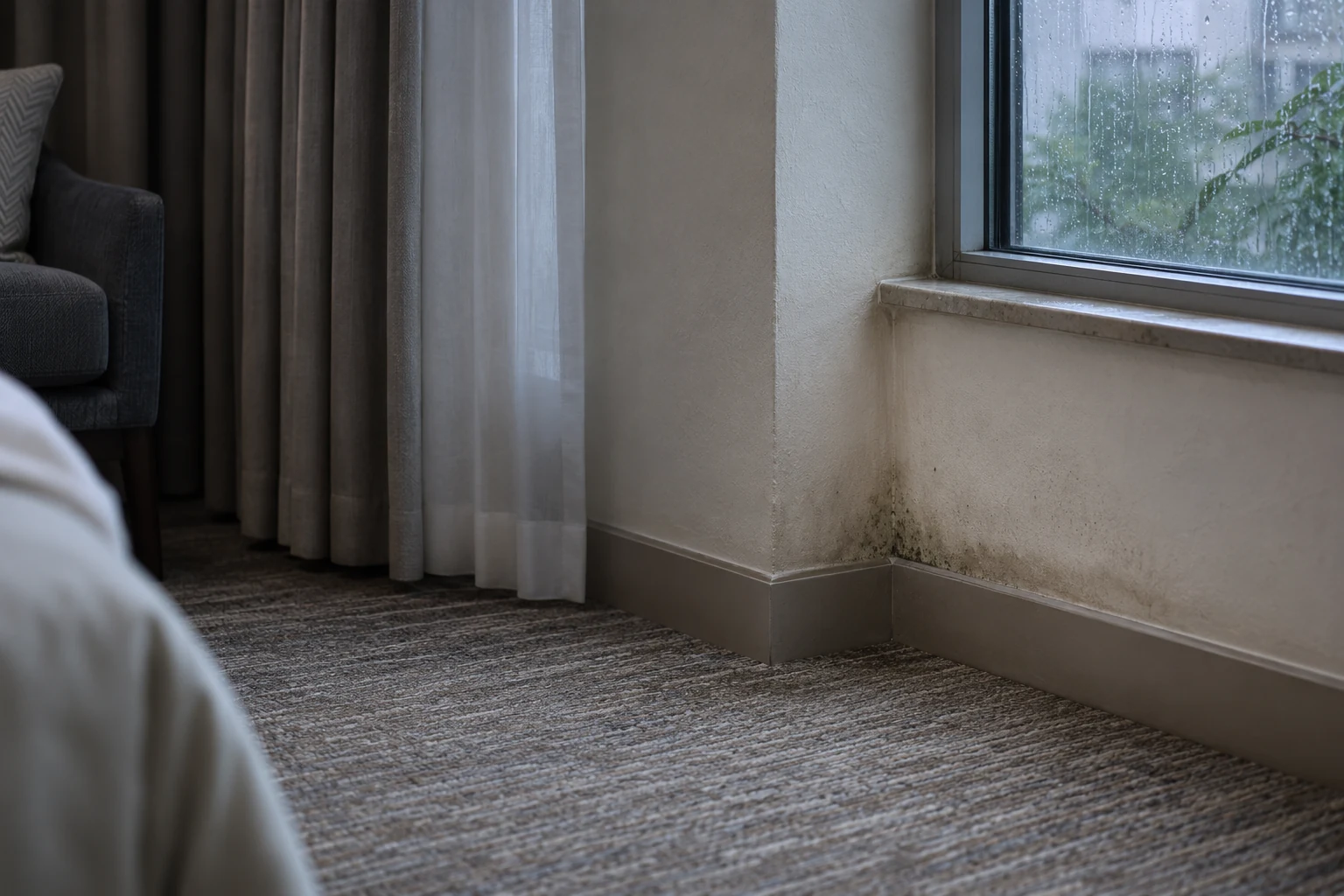
On-site Odor TreatmentInspect moisture sources and odor-retaining materials on site, then treat and verify each zone.

Nano Slow-release Odor Control DeviceDaily odor maintenance for hotels, guesthouses, pet facilities and basements.

Musty Odor Decomposition IngredientsIngredient supply, sampling, trial orders and product development.
Arrange a Pet Facility Odor Assessment
Tell us about waste and boarding areas and when odors recur to arrange a site assessment.
