Stop Recurring Odors.
Reduce Room Changes.
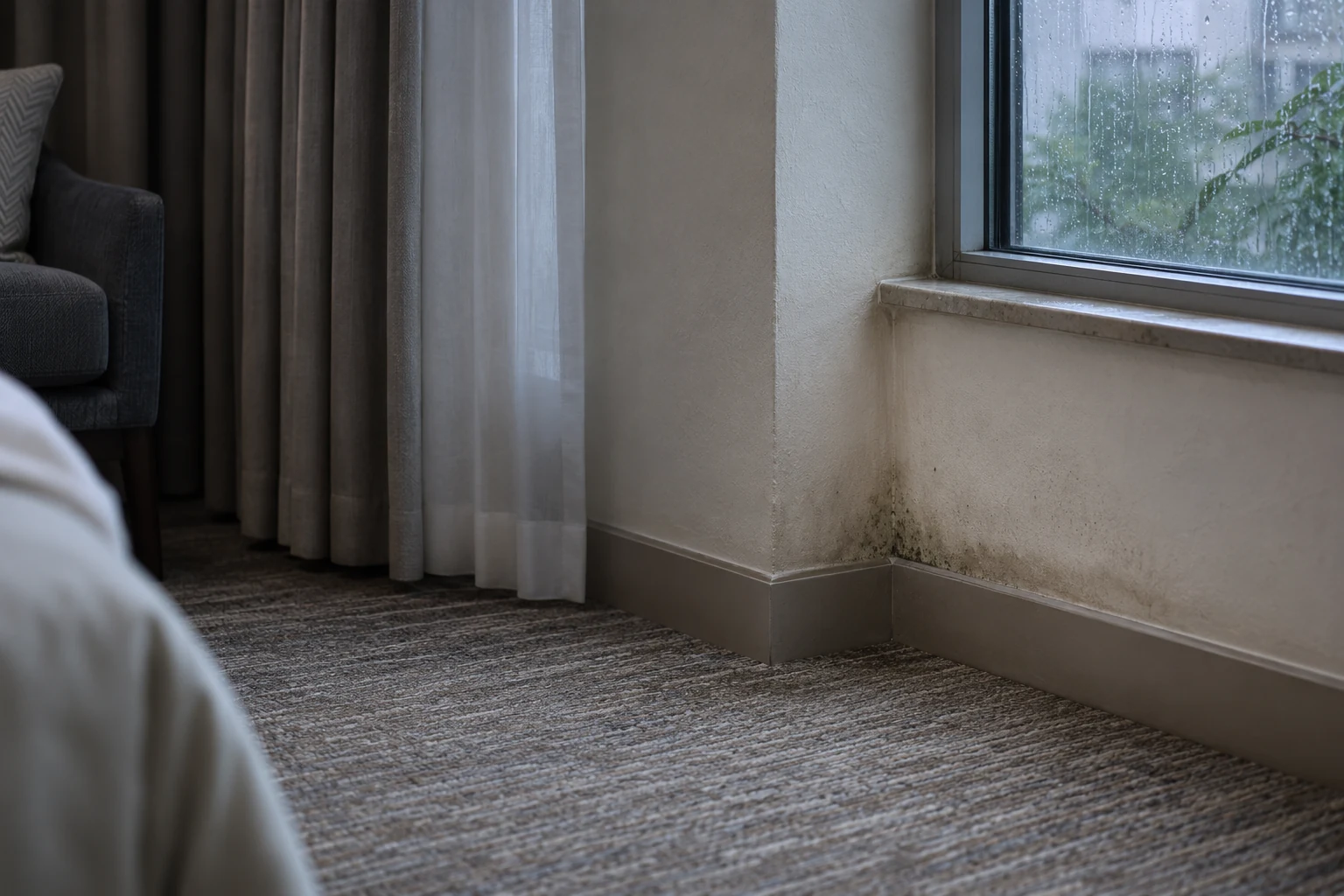
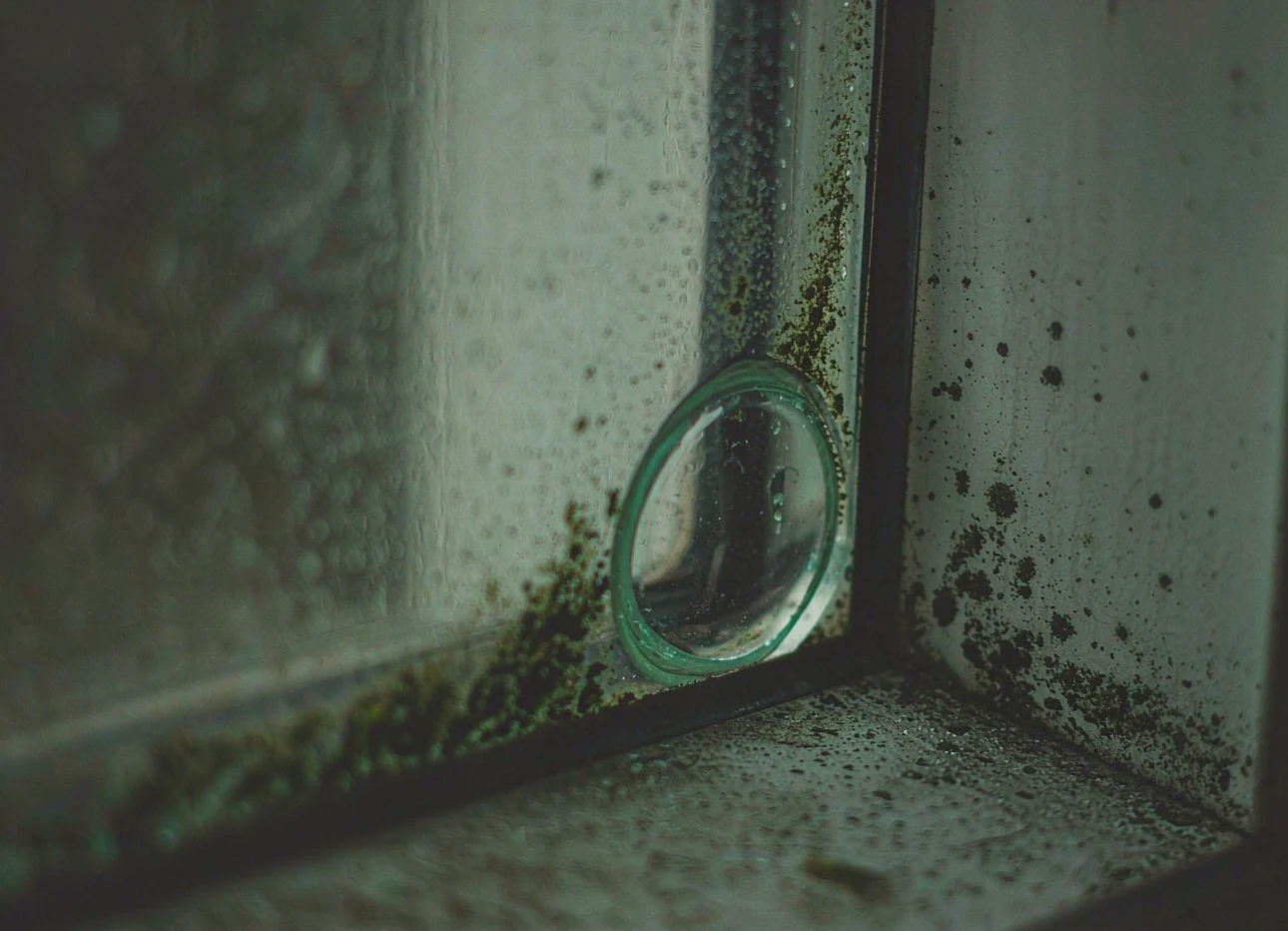
Mustiness on entry, odors when the air conditioning starts, or complaints after rain. LANGKUI checks moisture and odor sources room by room, schedules treatment around room availability, and verifies each room before handover.
Which Rooms Need On-site Treatment?
Housekeeping completes routine cleaning while engineering resolves repair issues. Follow-up findings determine whether targeted odor treatment is needed.
Odors Clear After Cleaning
After checkout, remove odor-causing items, wash linen and ventilate. Close the room and recheck. If odors do not return, hand it over through the hotel's normal process.
Odors Return After Cleaning
If noticeable mustiness returns on entry, when the air conditioning starts or after rain, arrange an on-site assessment. Address moisture sources and faults before treating residual odors.
Active Leaks or Extensive Mold Damage
Take the room out of service. Engineering stops the leak and organizes drying. Qualified specialists address mold and damaged materials before residual odor treatment is scheduled.

What the Hotel Receives at Handover
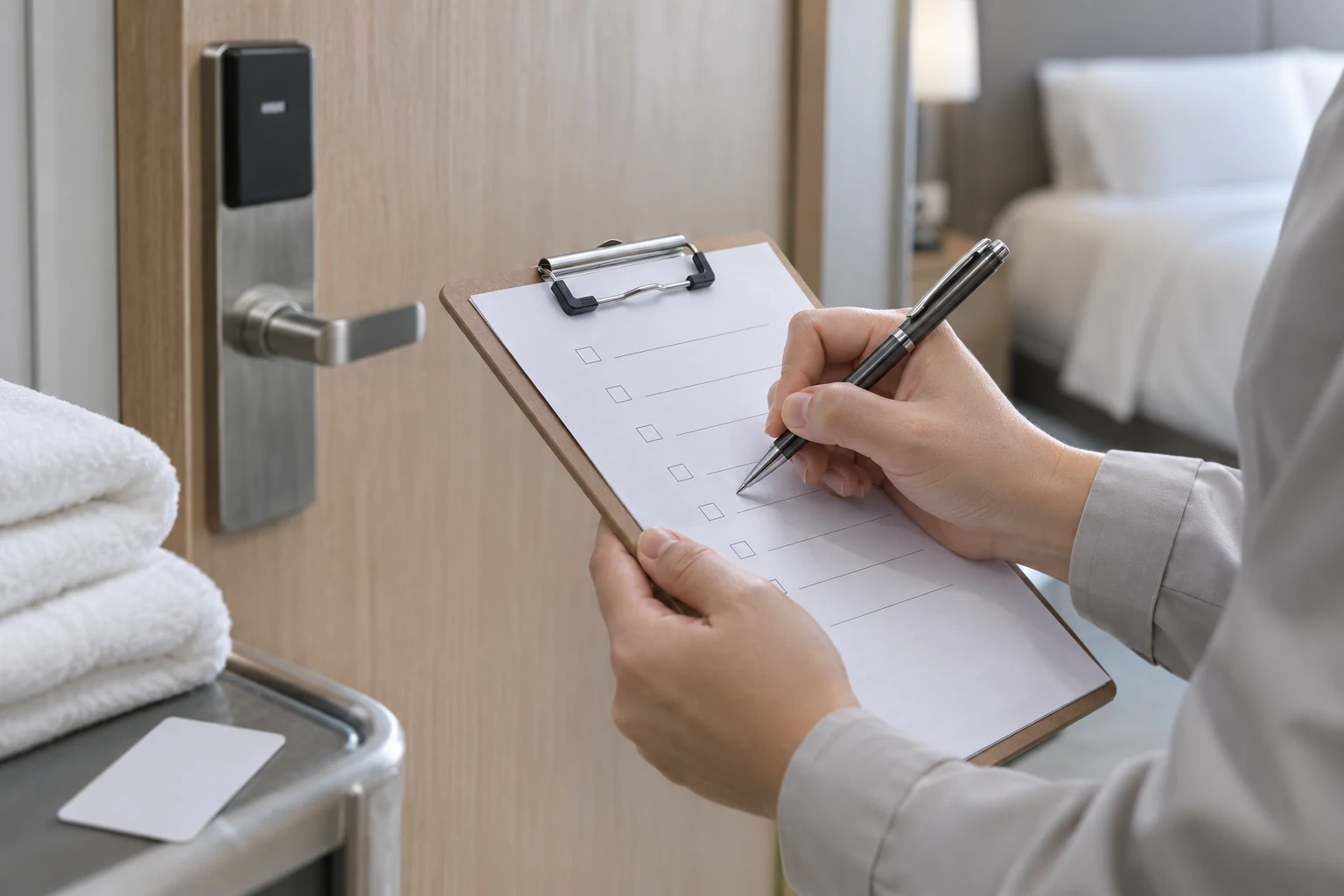
A room-number checklist shows front office which rooms can return to sale and tells engineering and housekeeping which points still need attention.
Odor Assessment Records
List odor locations, triggers and findings in each room, with specific engineering repairs and housekeeping tasks.
Treatment Records
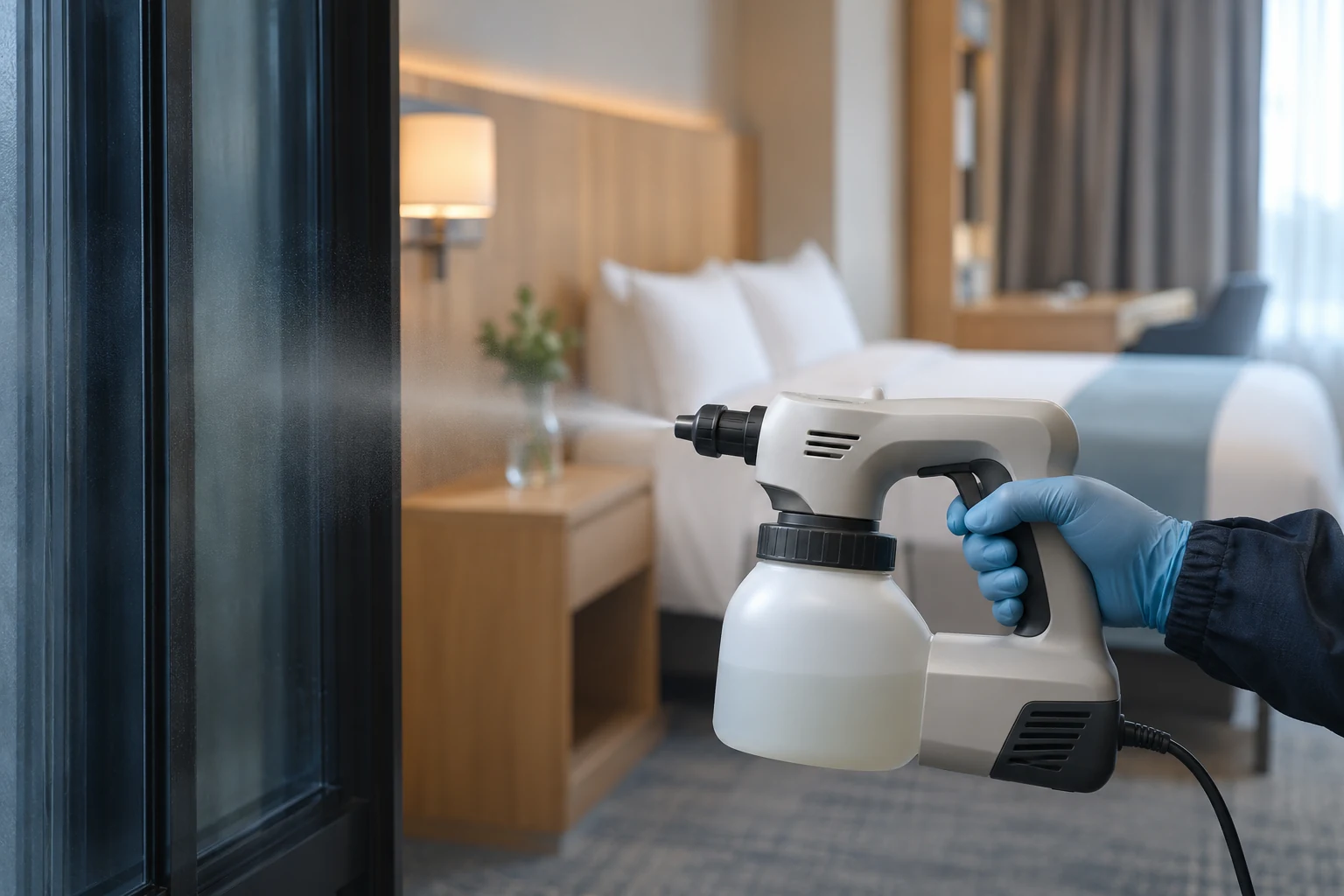
Record what was done in each room, when treatment took place and when ventilation finished, helping front office schedule checks and room allocation.
Handover & Outstanding Tasks
List rooms handed back and those still out of service, outstanding work, and points to revisit after rain or a vacancy.
Build Recurrence Checks into Turnover Cleaning
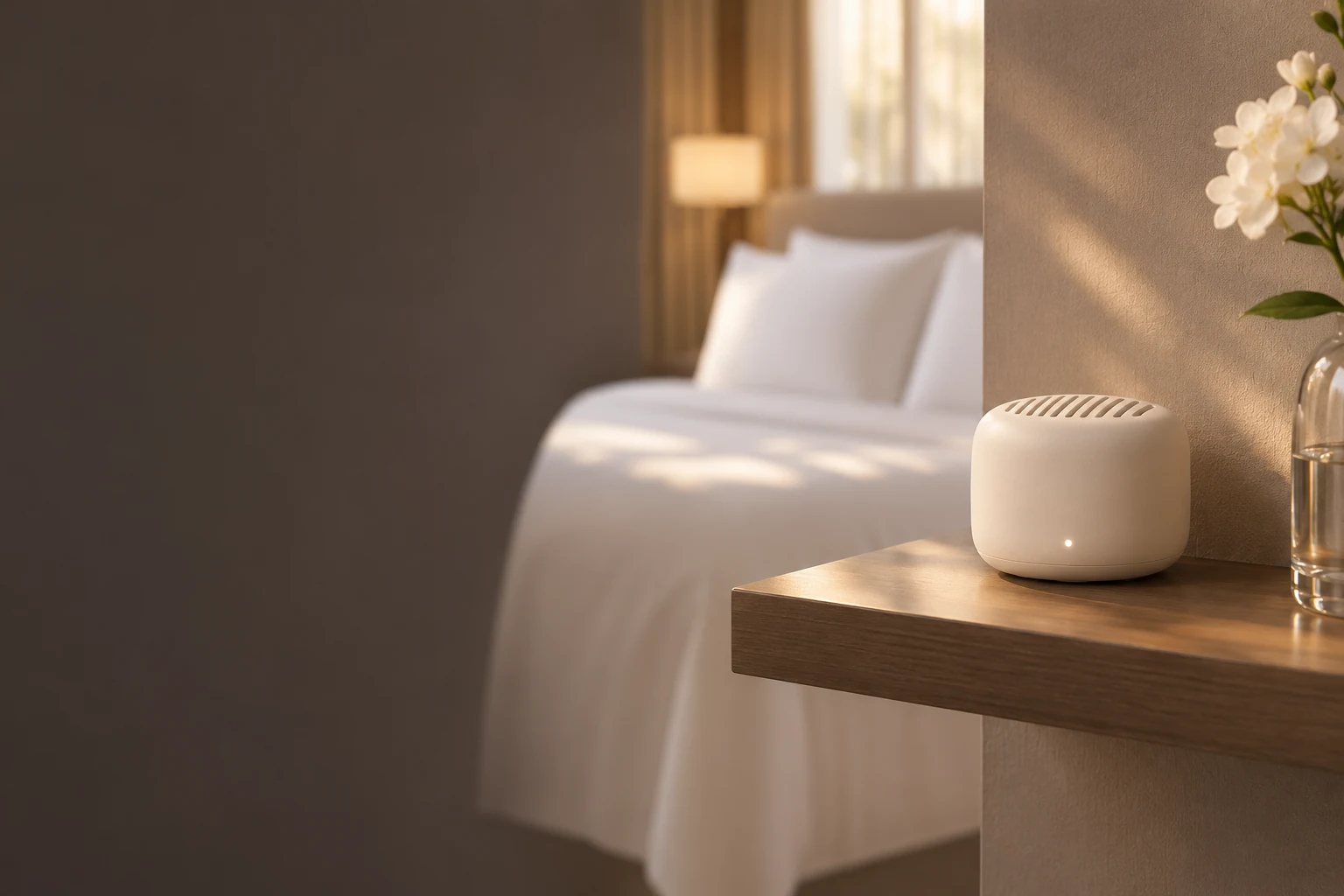
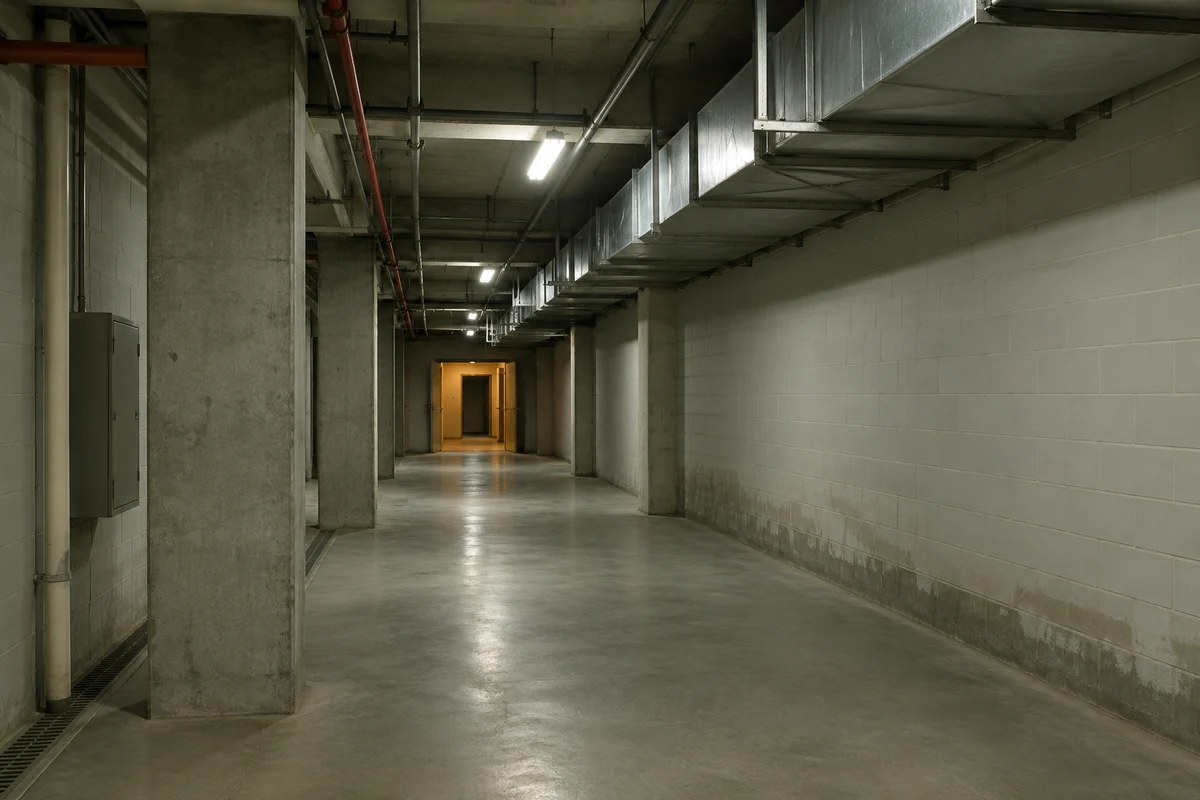
After rain or a long vacancy, prioritize windows, walls, floor drains and air conditioning. Once cleaning and humidity control are in place, nano slow-release devices can support daily maintenance at odor-prone points.